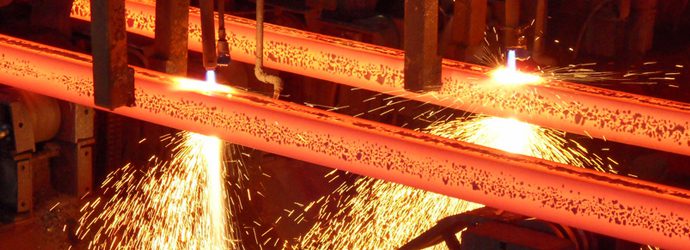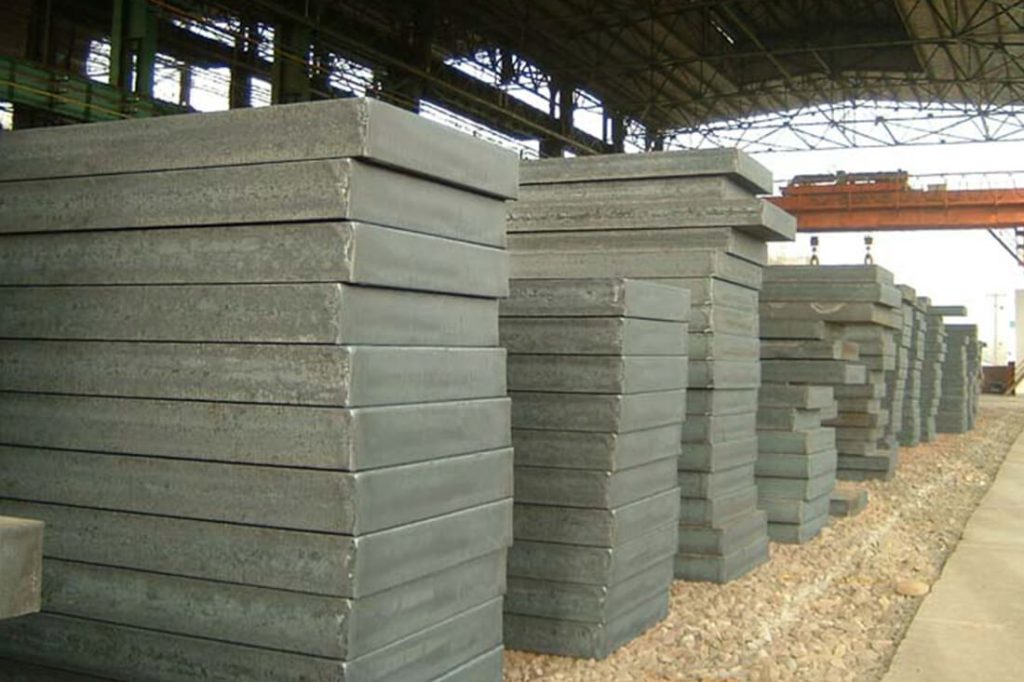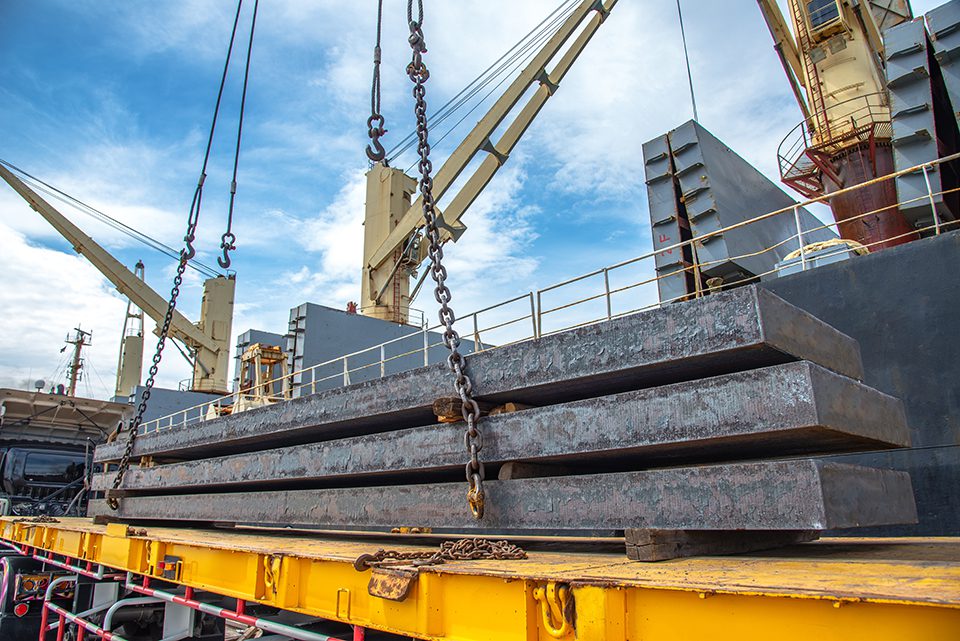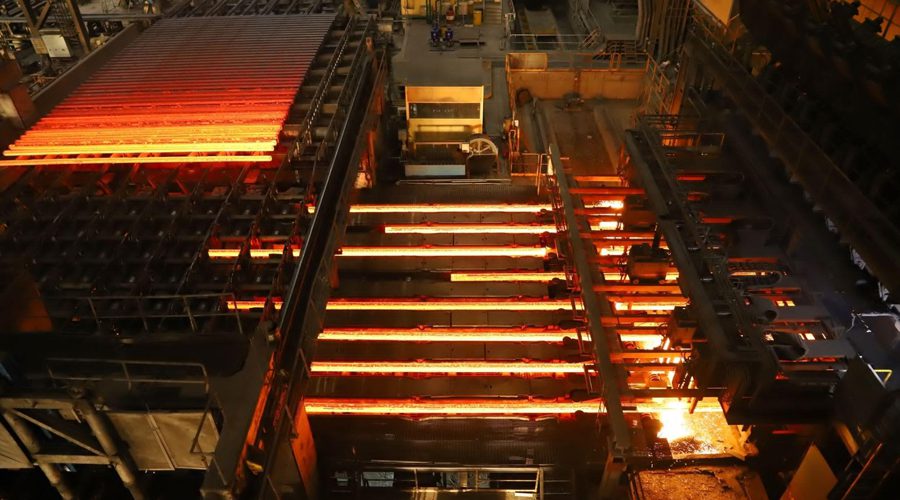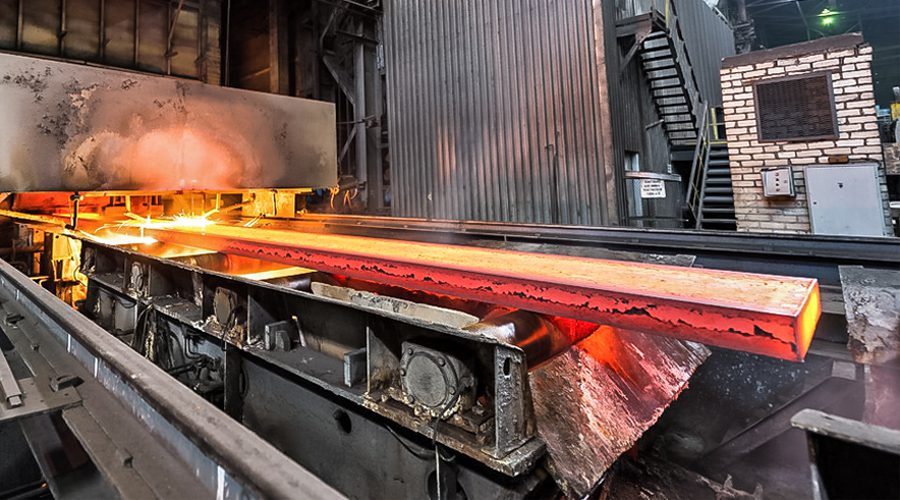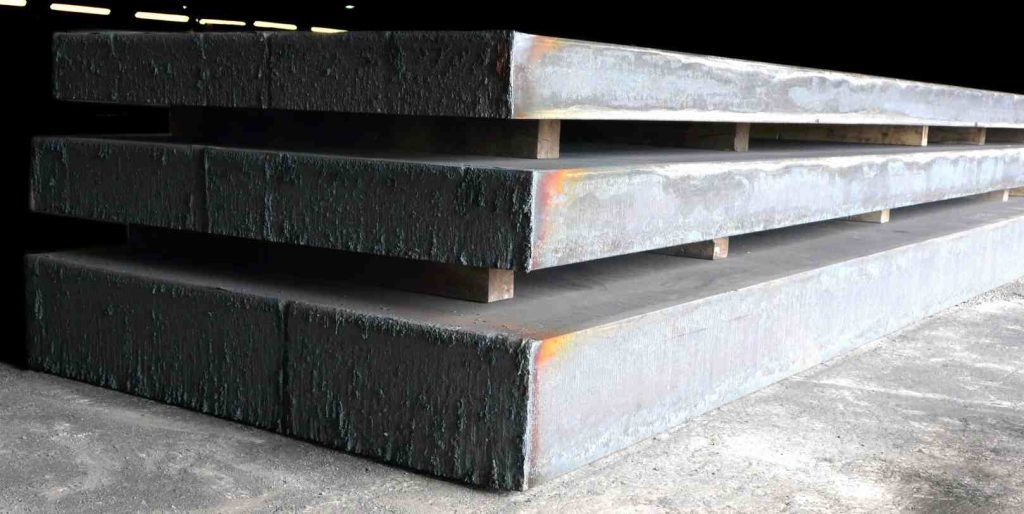
A steel slab is a large, flat, rectangular semi-finished steel product that is produced from molten steel. It typically has a thickness ranging from 150 mm to 300 mm, a width of about 800 mm to 2200 mm, and a length of approximately 12 m. Slabs are essential for further processing into finished products such as sheets, plates, and structural components.
Molten Steel Production: Steel slabs are created by melting iron ore in a blast furnace or recycling scrap steel in an electric arc furnace. The molten steel is then poured into a casting Mold.
Continuous Casting: This is the primary method for producing slabs, where molten steel is solidified into a continuous shape. The process involves feeding molten steel into a Mold, where it cools and solidifies into a slab.
Rolling and Finishing: After casting, slabs are reheated and passed through rolling mills to reduce their thickness and shape them into various products. This can include hot-rolled or cold-rolled sheets and plates, depending on the intended application.
Steel slabs play a pivotal role in the steel manufacturing process, acting as a bridge between primary steelmaking and the production of finished steel products. Their quality and dimensions directly influence the efficiency and properties of the final products. The continuous casting process has largely replaced traditional ingot casting, leading to higher productivity and better quality.
In summary, steel slabs are a fundamental component of the steel industry, essential for producing a wide range of steel products used in various sectors. Their production involves advanced techniques that ensure high quality and consistency, making them indispensable in modern manufacturing.
Steel slabs are versatile and find applications across various industries, including:
Construction: Used to manufacture structural components like beams and columns.
Automotive: Essential for producing vehicle body panels and chassis components.
Shipbuilding: Used in the construction of ships and marine structures.
Machinery: Forms the basis for heavy machinery and equipment.
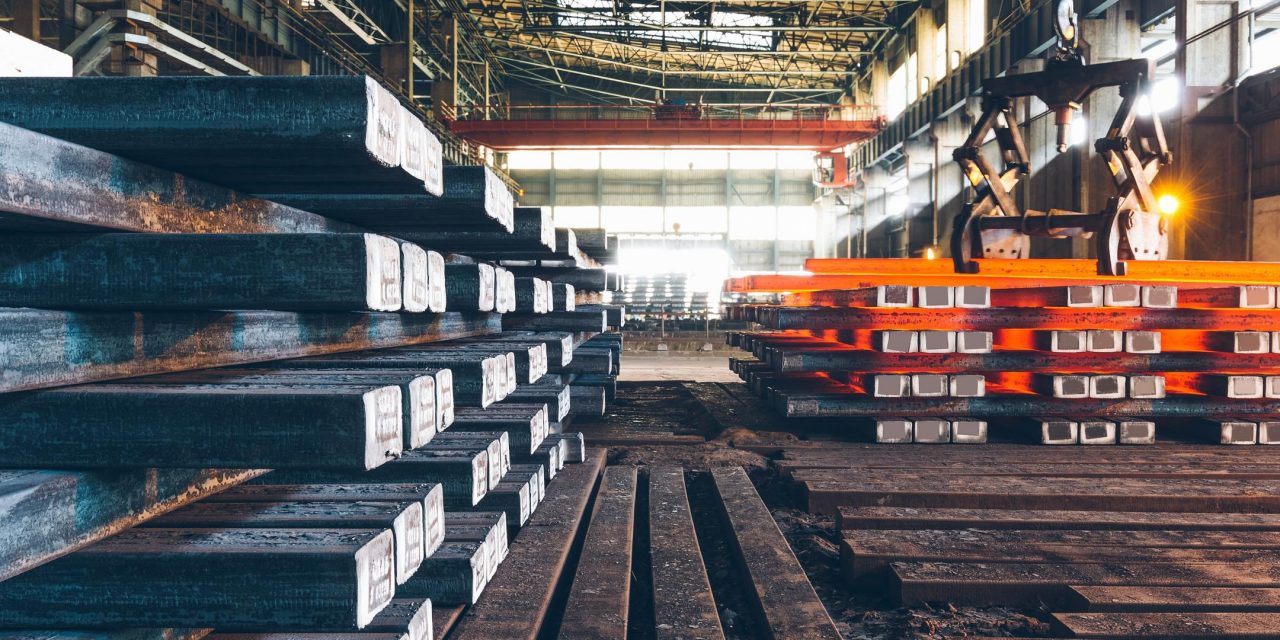
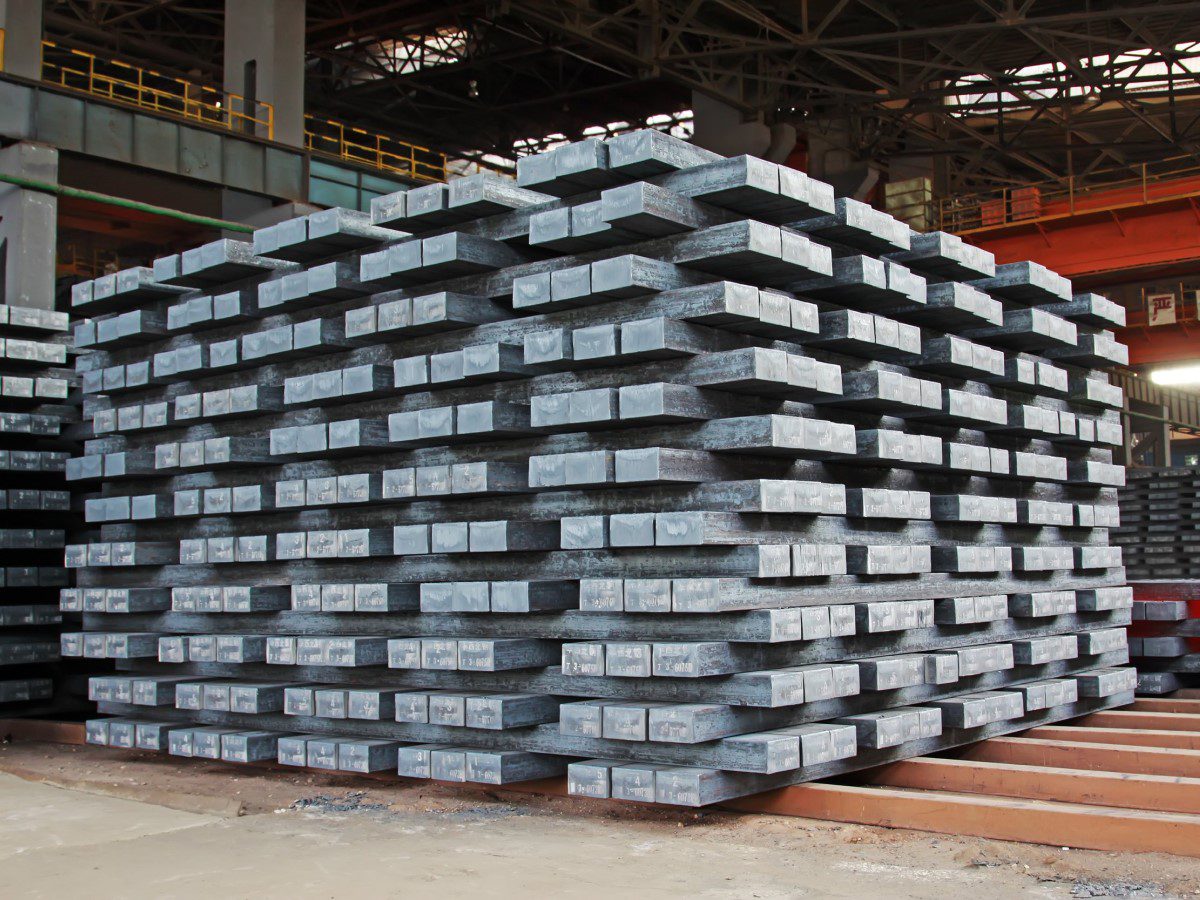
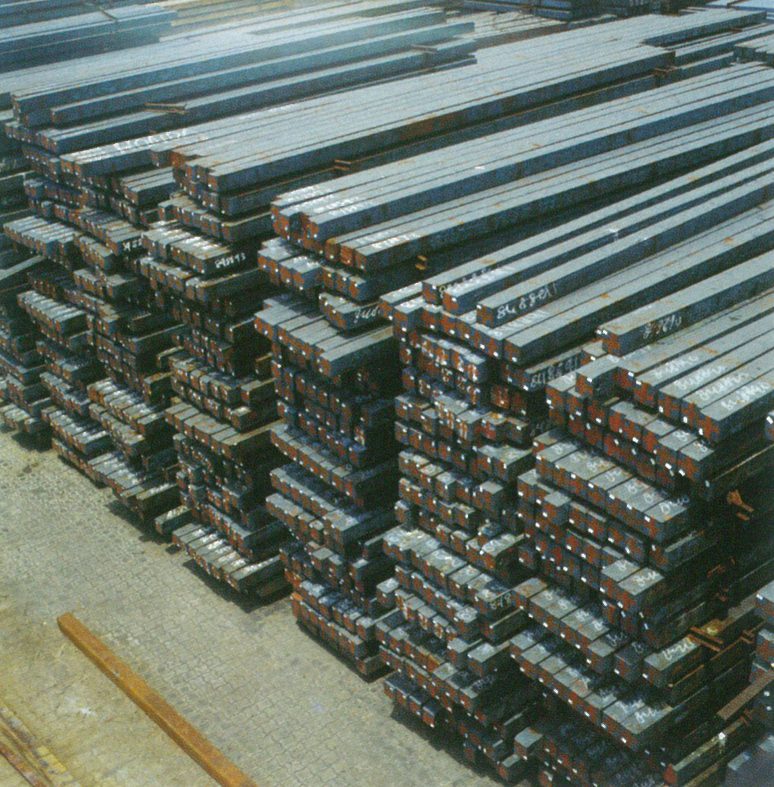
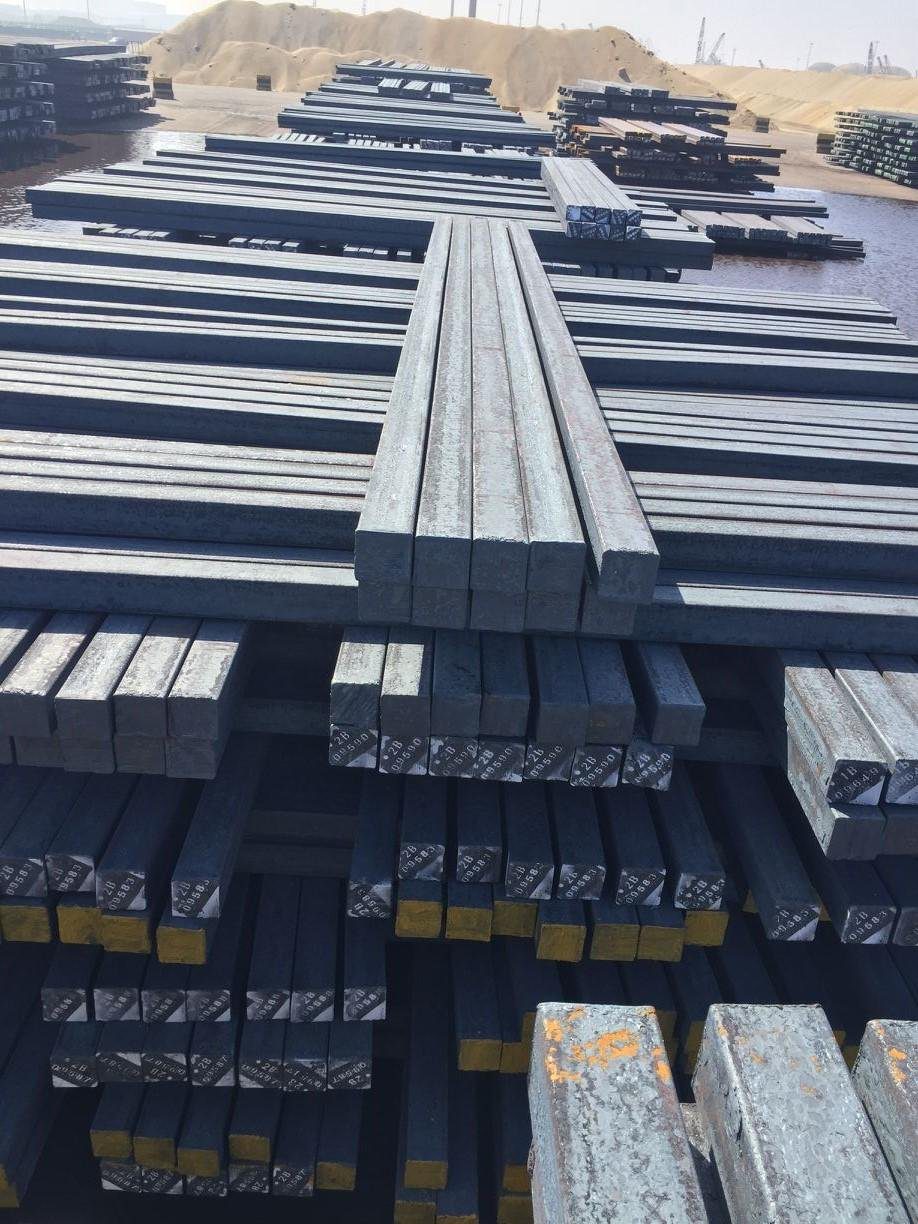
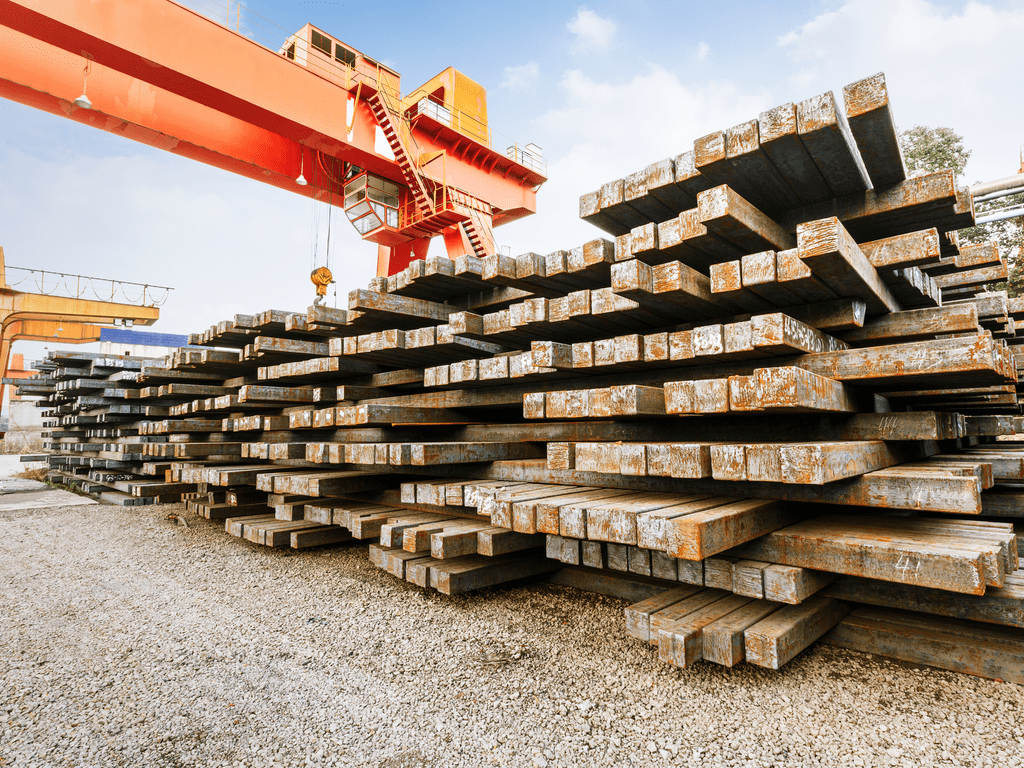
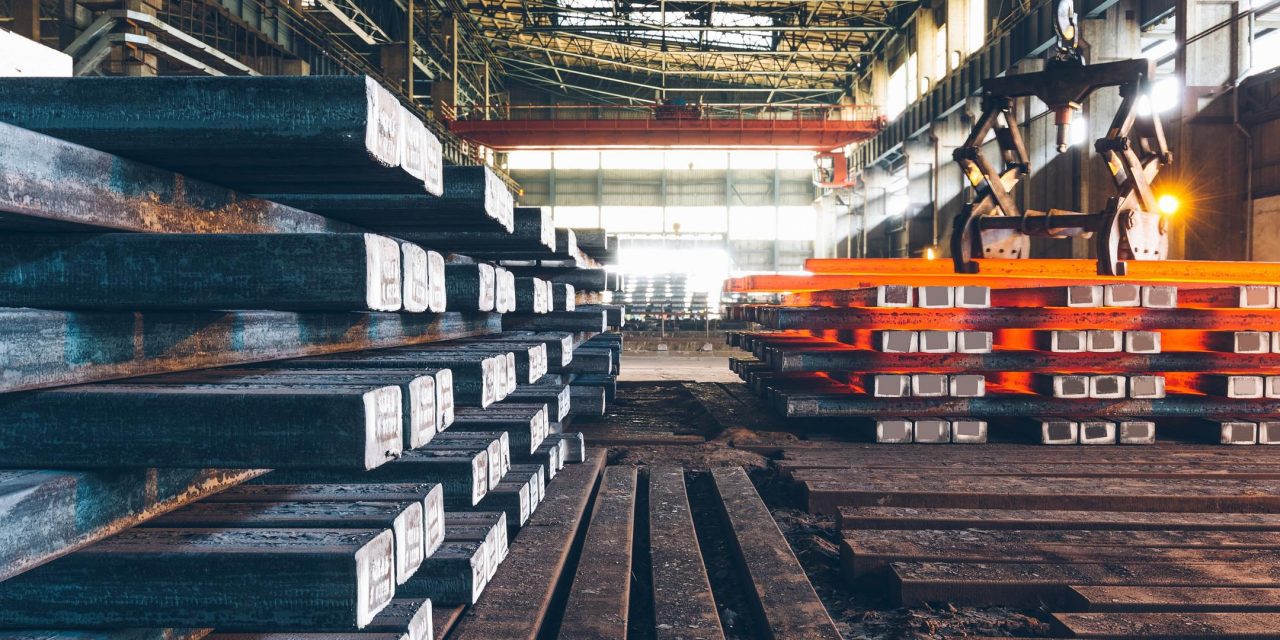
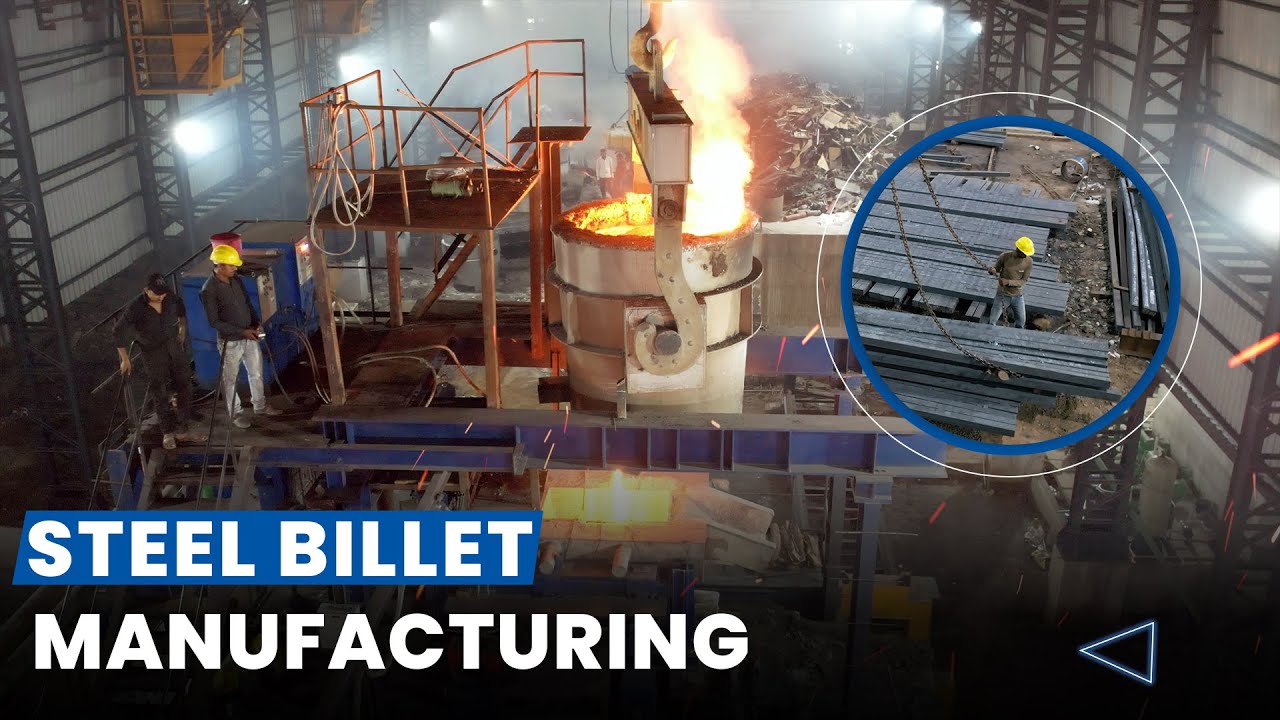
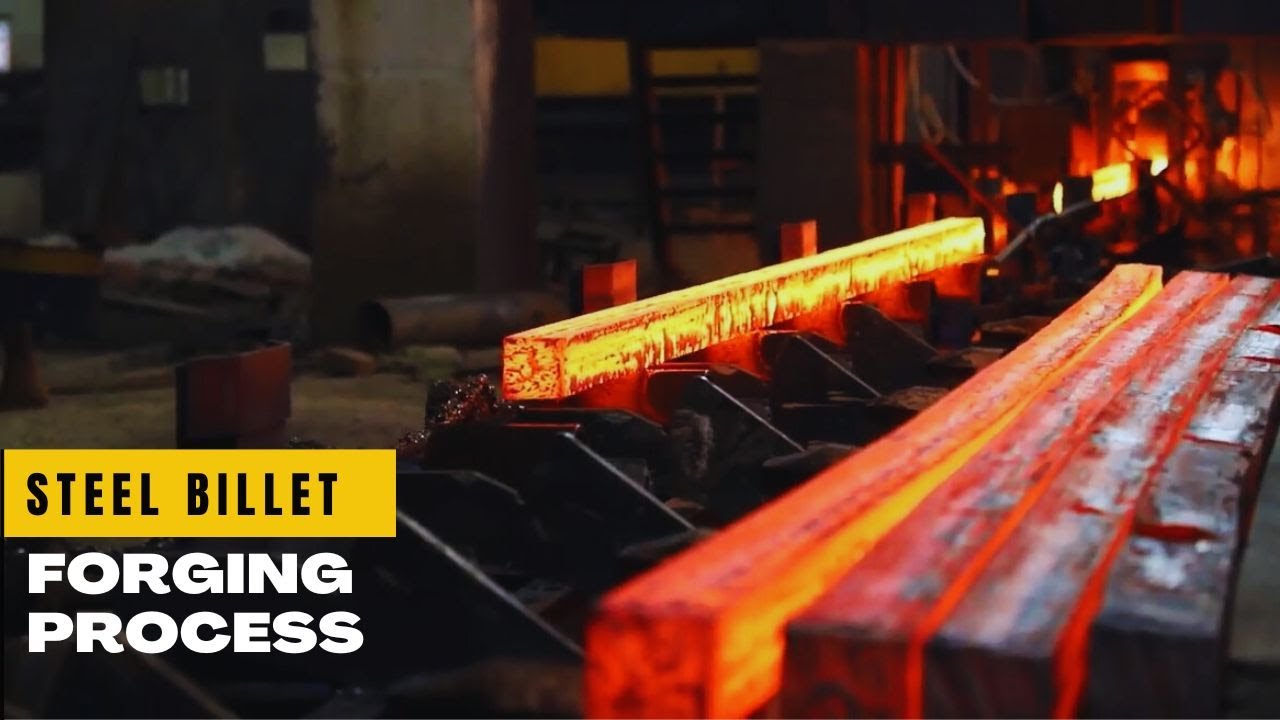
Steel billets are semi-finished metal products typically having a square or rectangular cross-section. They are produced from molten steel that is cast into Molds, allowing for solidification into long bars or rods. Billets serve as an intermediate product in the steelmaking process, which can be further processed into finished products like bars, rods, and plates.
The production of steel billets involves several key steps:
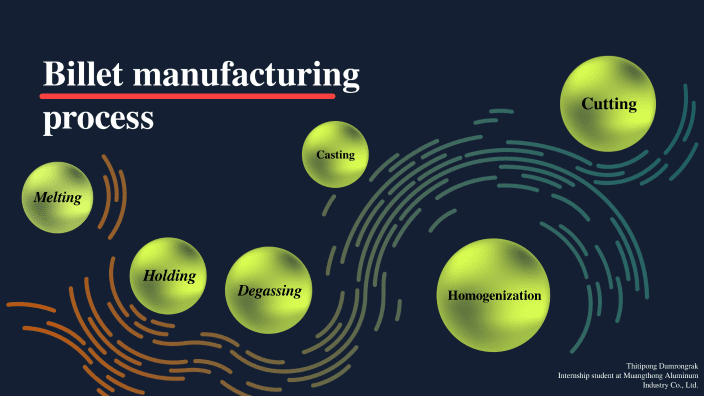
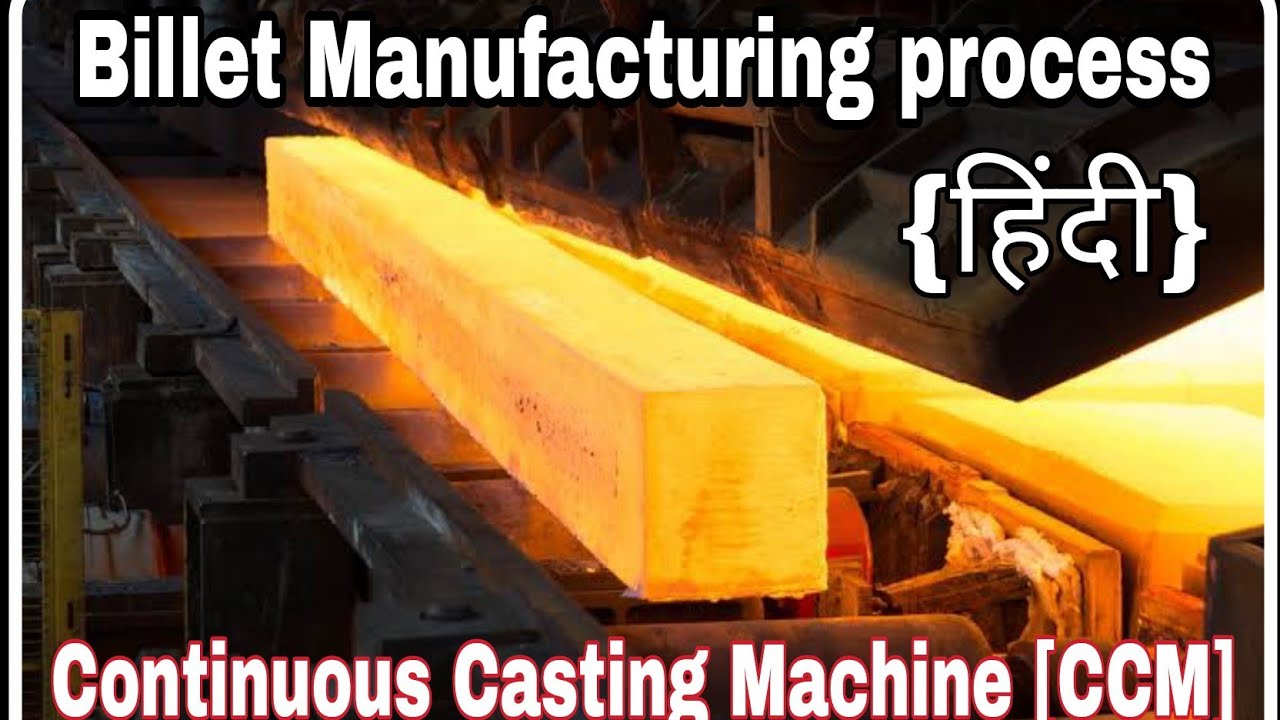
Melting and Casting: Scrap steel or raw iron ore is melted in a furnace at high temperatures, often exceeding 1,500°C. The molten steel is then poured into Molds or passed through a continuous casting machine, where it cools and solidifies into billets.
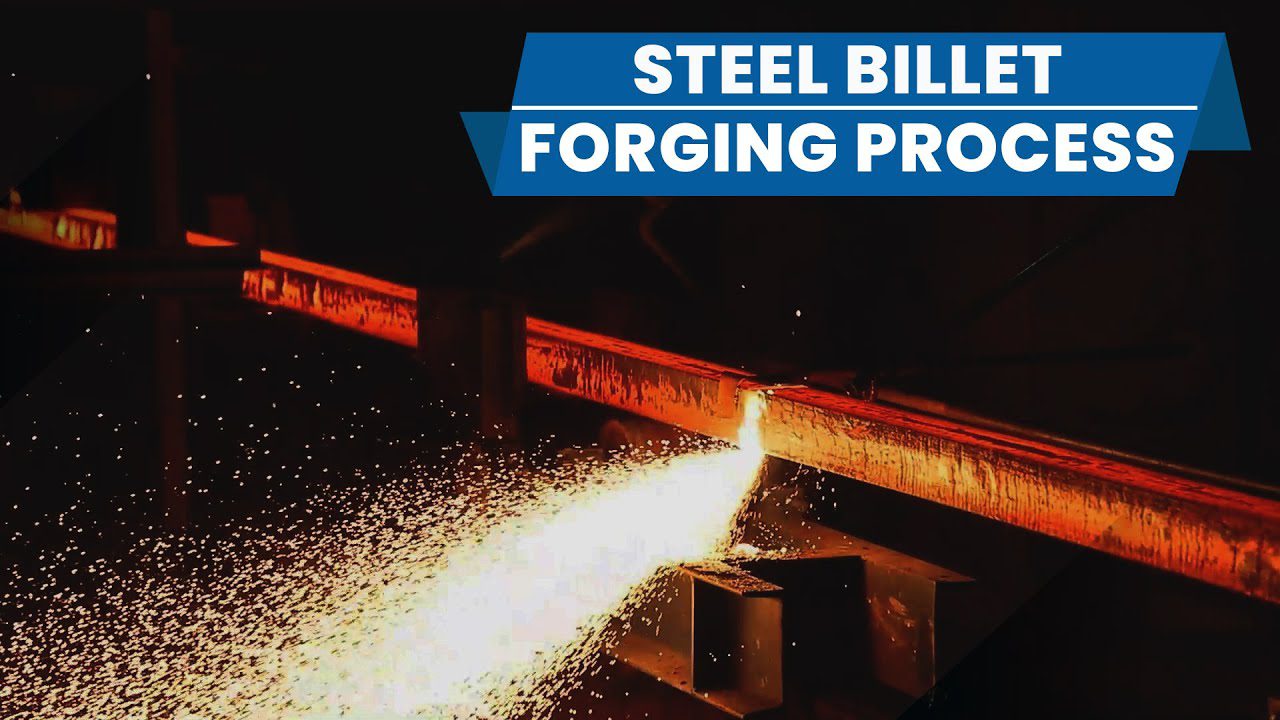
Continuous Casting: This method has largely replaced traditional ingot casting due to its efficiency. In continuous casting, liquid steel is poured into a Mold and solidified into a continuous strand, which is then cut into billets. This process allows for better control over the quality and dimensions of the billets.
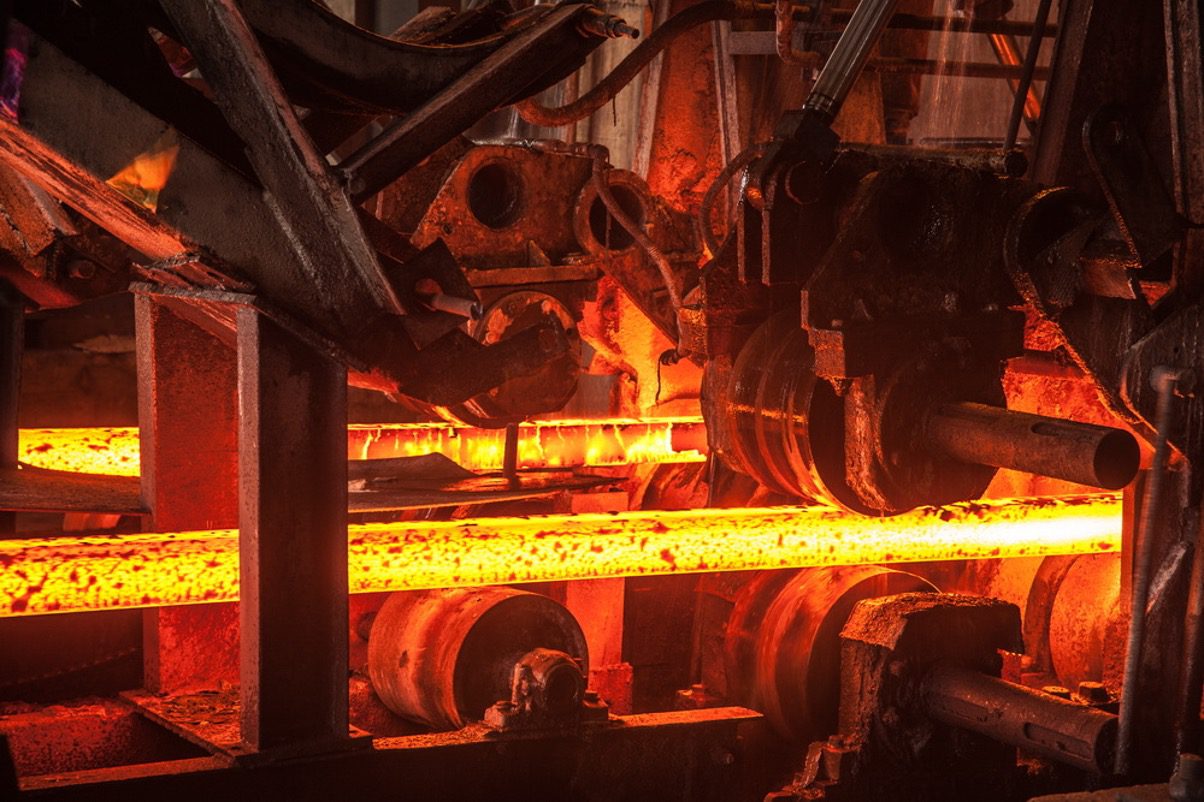
Rolling and Shaping: After solidification, billets are often passed through rolling mills to achieve the desired dimensions and enhance their mechanical properties. This rolling process increases the strength and ductility of the steel, making it suitable for various applications.
Steel billets are essential in the steel industry for several reasons:
Versatility: Billets can be transformed into a wide range of products, including construction materials, automotive components, and machinery parts. Their malleable nature allows for easy shaping into different forms.
Quality Control: The quality of steel billets directly impacts the performance of the final products. Rigorous quality control measures are implemented during the production process to ensure that billets meet industry standards, free from defects like cracks or voids.
Foundation for Further Processing: Billets serve as the starting point for various manufacturing processes, including rolling, forging, and extrusion, making them a critical component in the production chain of steel products.
Steel billets are used across multiple industries, including:
Construction: For structural components like beams and columns.
Automotive: In engine parts and axles due to their strength and durability.
Aerospace: For components requiring high strength-to-weight ratios, such as landing gear.
In summary, steel billets play a vital role in the steel industry, serving as a key intermediate product that supports a wide range of applications and manufacturing processes. Their production through continuous casting has revolutionized the efficiency and quality of steel manufacturing.
“To deliver trusted, sustainable steel solutions through a transparent global supply chain, building integrity-driven partnerships, operational excellence, and long-term value worldwide.”
© 2026 Indicoat Steel Company. All Rights Reserved. | Designed & Developed by ITMS Global