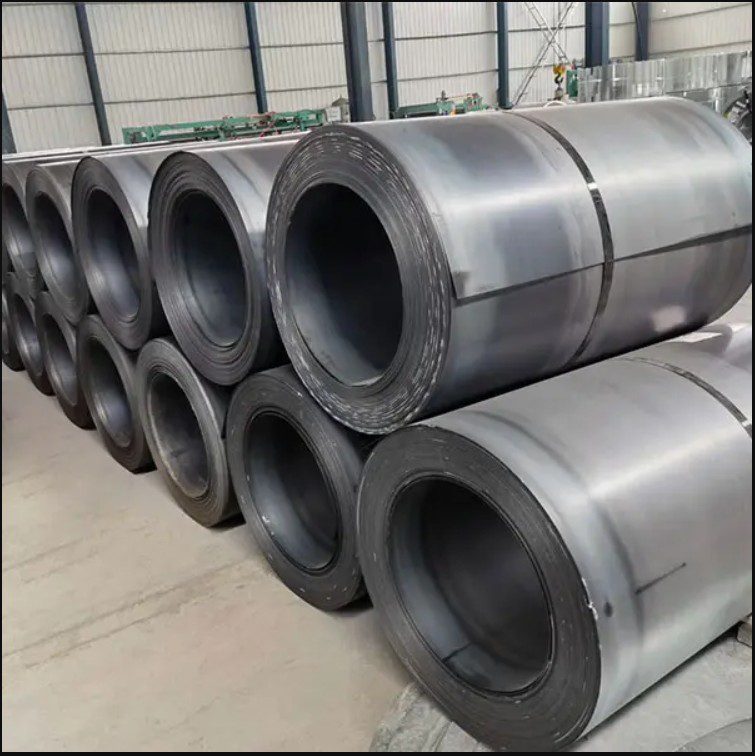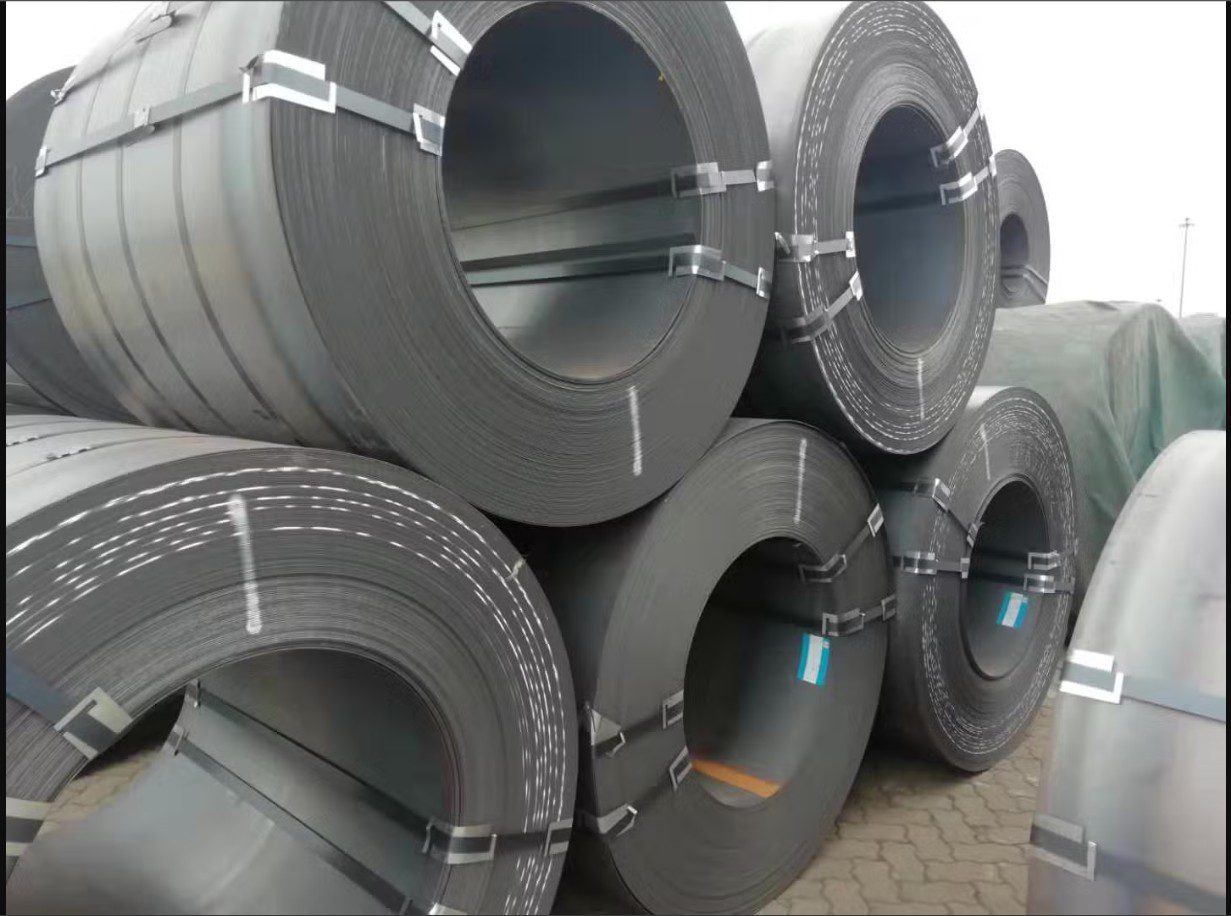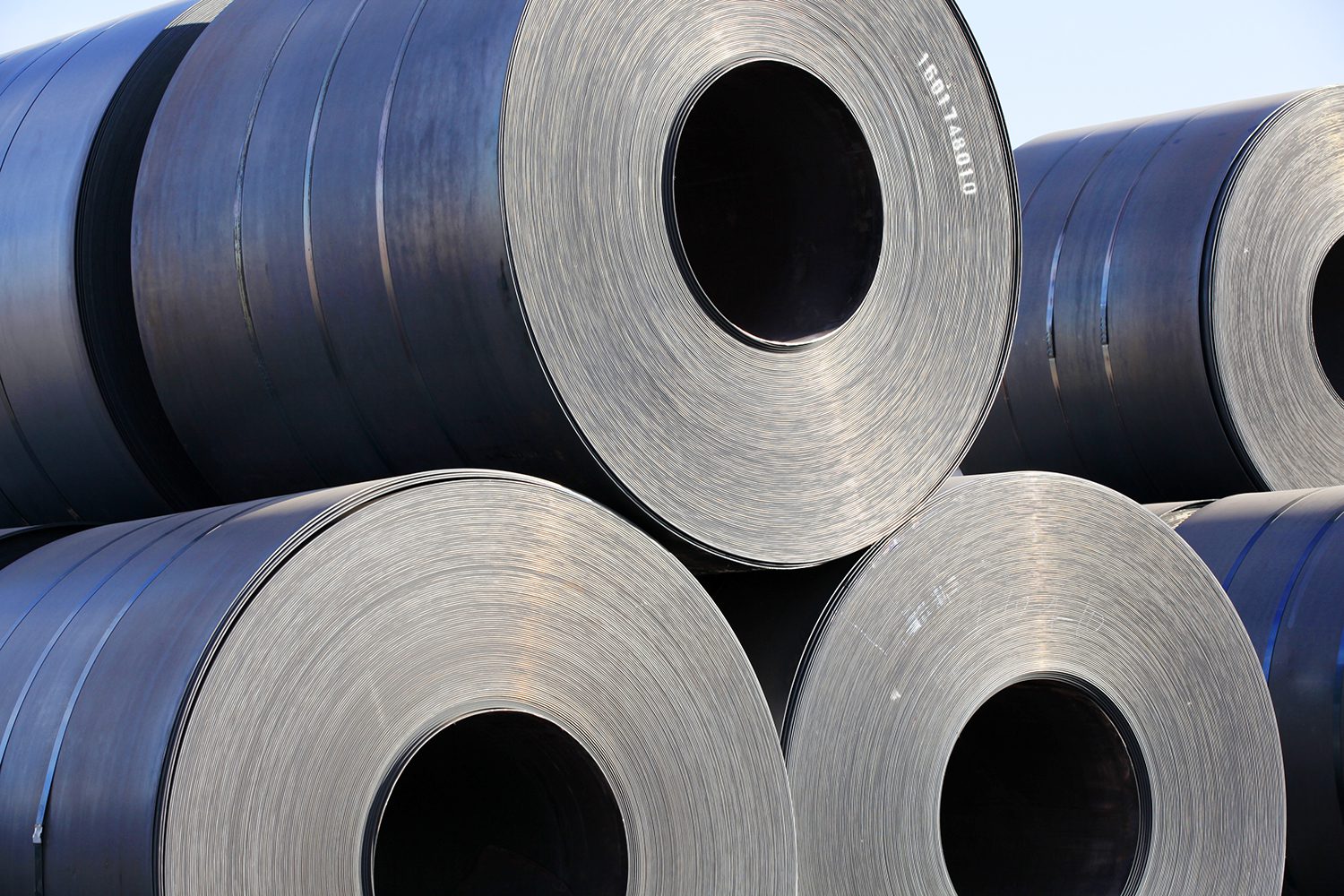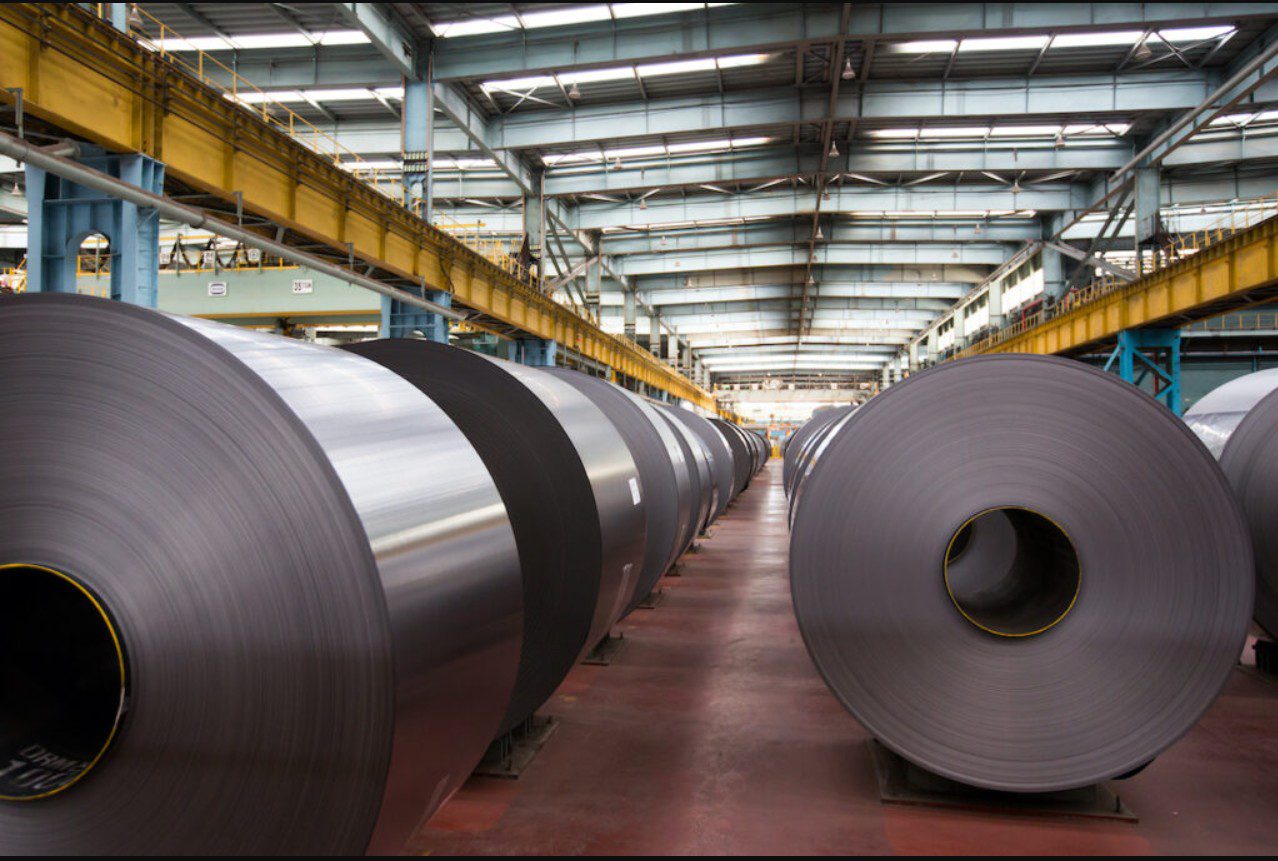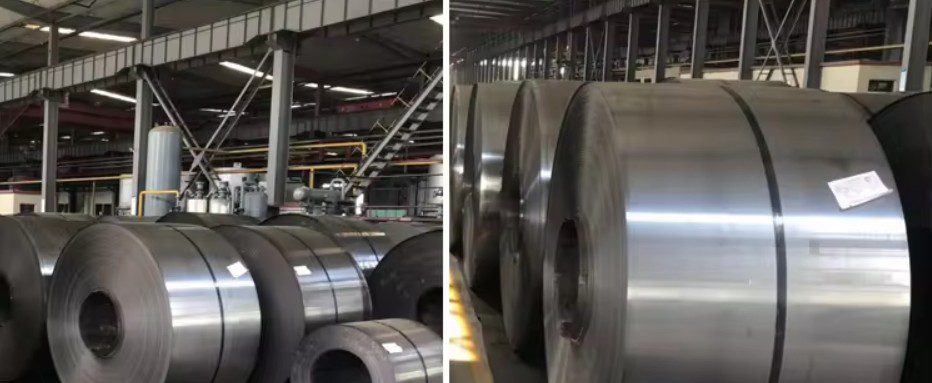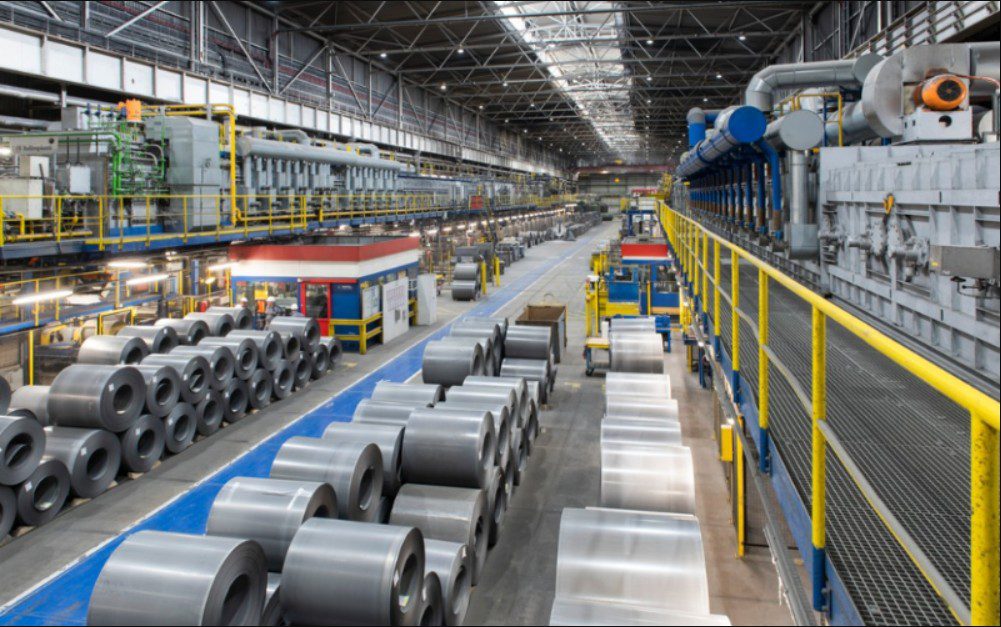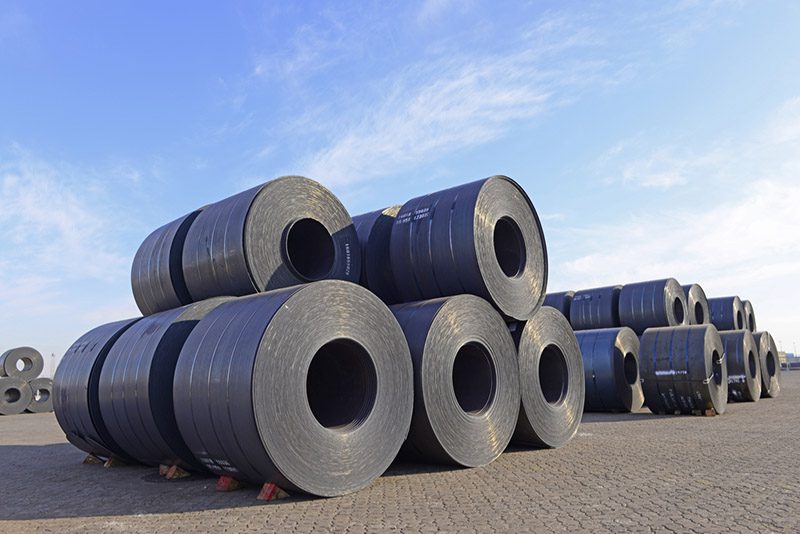
Hot-rolled steel coil is a type of steel produced through a high-temperature rolling process, often exceeding 1000 degrees Celsius. During this process, the steel billet can change properties, size, and shape to create steel products according to specific requirements.
Hot-rolled steel coils often feature a characteristic blackish-blue surface with an oily sheen. The thickness of these coils usually ranges from 1mm and above. The edges of hot-rolled steel coils are processed to remove sharpness, providing a neat appearance.
Hot-rolled coils are used to produce HRC steel. The hot-rolling process involves heating the steel at high temperatures and then passing it through rollers to achieve the desired shape and thickness.
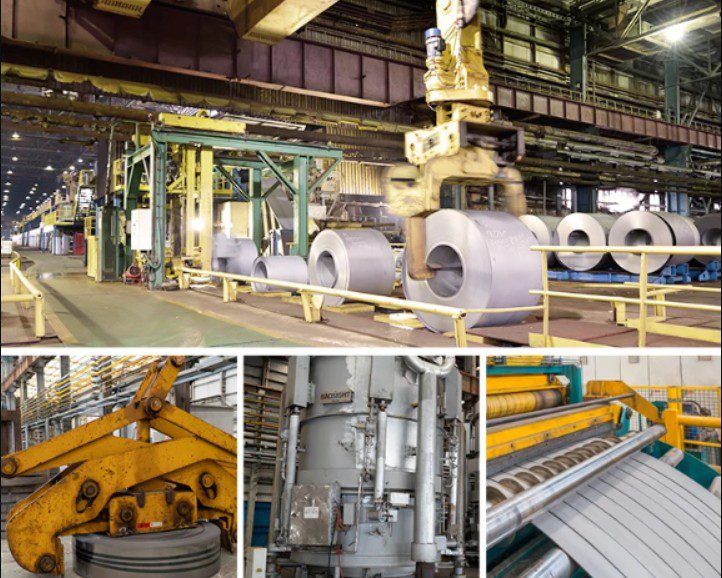
The production of Hot Rolled Coils (HRC) involves a series of steps that ensure the steel is produced with the desired properties and dimensions. The process includes:
Heating: Steel billets are heated in a furnace to high temperatures, typically above 1700°C, to make them malleable and suitable for shaping.
Rolling: The heated steel is passed through rollers to reduce its thickness and achieve the desired dimensions.
Cooling: The steel is cooled using water or air jets to prevent excessive oxidation and maintain its structural integrity.
Coiling: The hot rolled steel is wound into coils, ready for transport or further processing.
HRC is crucial in various industries due to its strength, durability, and versatility. It is used in construction for beams, columns, and bridges, in automotive for chassis and engines, and in pipes and tubes for manufacturing. The production process is efficient, cost-effective, and consistent, making HRC a preferred choice for large-scale projects.
There are three main types of hot-rolled steel coils:
Hot-rolled alloy steel coil: This type combines hot-rolled steel with other alloying materials like nickel, chromium, manganese, and molybdenum. This line of steel has specific mechanical properties and is often used in projects requiring durability and robustness.
Hot-rolled steel coils are commonly used in construction and manufacturing. The primary difference between hot-rolled and cold-rolled coils lies in the fact that hot-rolled coils are manufactured at higher temperatures, making them easier to work with. Hot-rolled coils also tolerate higher imperfections and are less prone to warping or cracking during fabrication.
When choosing a hot-rolled coil for your project, it’s essential to consider the material you’ll use it for. Hot-rolled steel coils come in various grades, each with different characteristics and applications. For instance, lower grades like commercial quality or drawing quality might be more suitable for projects not requiring high strength or durability, such as light metal sheet fabrication. Higher grades like structural quality or pressure vessel quality are often used in heavier applications like welding or structural construction.
It’s crucial to also consider the size and shape of the hot-rolled steel coil you need for your project. Hot-rolled coils come in different widths and thicknesses, so choosing the right type is essential for the current task.
For example, thinner coils might be more suitable for applications requiring high precision, such as in the automotive industry. Heavier coils might be more suitable for projects where strength and durability are crucial, such as in construction projects.
Lastly, you should also consider the cost of hot-rolled steel coils when making a decision. Hot-rolled steel coils generally have lower costs compared to cold-rolled coils. They are versatile and cost-effective steel products that can be used in multiple applications. The hot-rolling process offers many benefits, including increased strength, improved ductility, and reduced cracking.
Understanding the basics and benefits of hot-rolled coils will help you make informed decisions about which type of steel to use for your next project. With its numerous advantages, hot-rolled steel coils are an excellent choice for any application requiring reliable results at an affordable price.
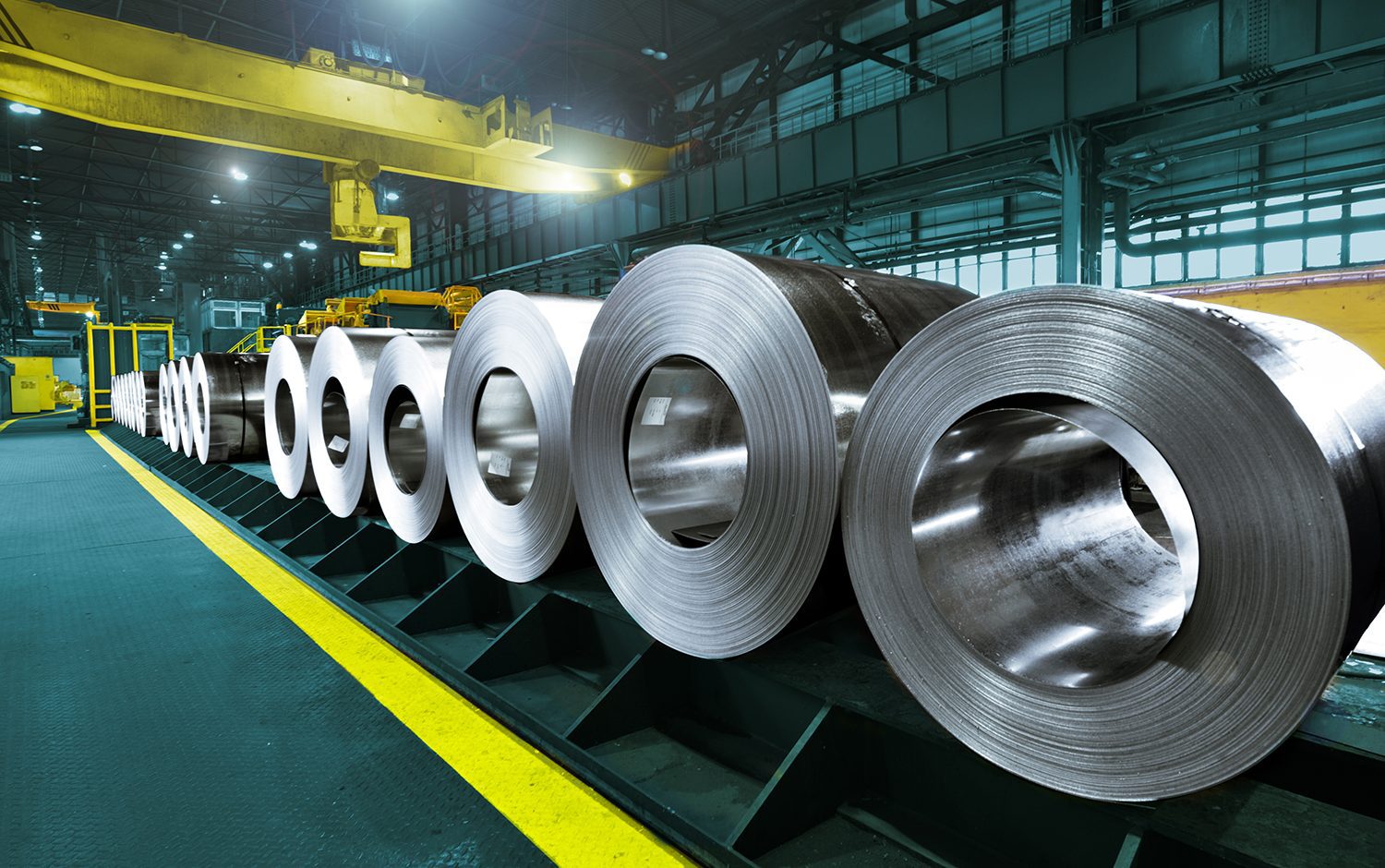
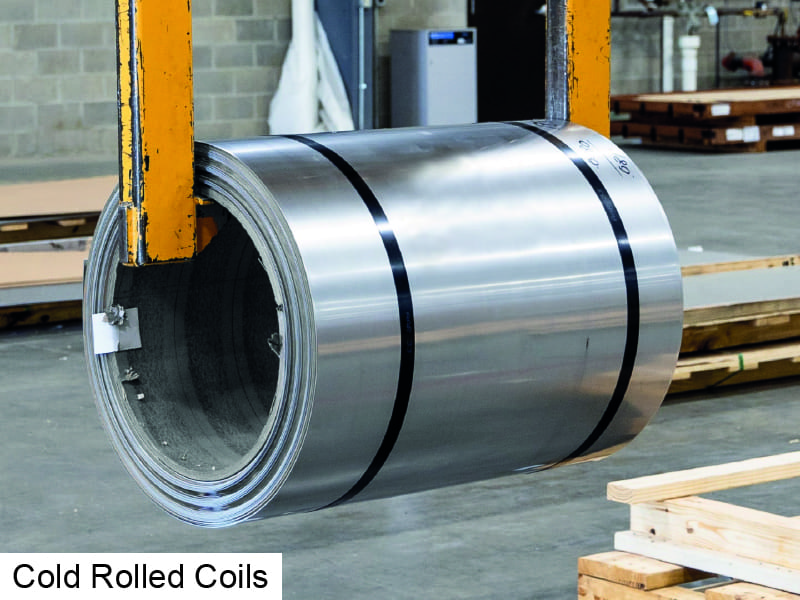
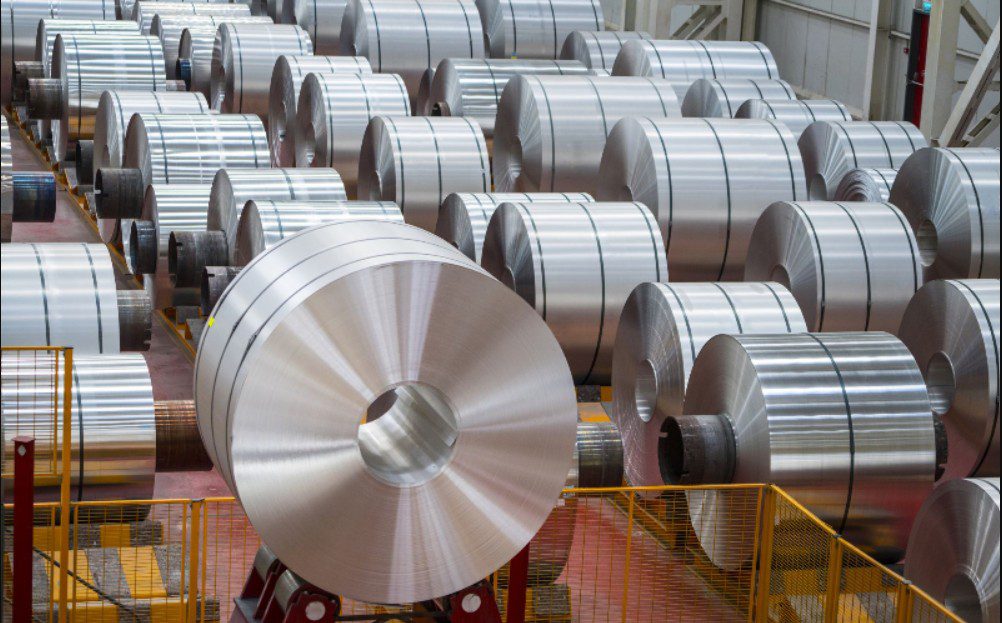
Cold Rolled Coils (CRC) are a critical material in the steel industry, known for their superior surface finish, tighter tolerances, and high strength. They are produced through a cold rolling process that improves their surface finish and mechanical properties, making them suitable for various applications. CRC is widely used in the automotive, appliance, construction, and packaging sectors due to its ability to deliver enhanced surface quality and tighter tolerances. The market for CRC is expected to grow significantly, driven by industrial modernization, technological advancements, and increasing demand for lightweight, durable materials.
Cold Rolled Coils (CRC) are essential materials in the steel industry due to their superior surface quality, dimensional accuracy, and mechanical properties.
CRC is produced by cold rolling hot-rolled coils, which are first pickled to remove surface oxides, then rolled at room temperature to reduce thickness and improve surface quality.
CRC is widely used in various industries, including automotive (body panels, fuel tanks), electrical (motor casings), appliances (refrigerator shells), furniture (desks, lockers), and construction (roofing, doors).
CRC’s ability to meet stringent technical requirements and its aesthetic appeal make it a preferred choice for industries that emphasize precision and durability.
Overall, CRC plays a crucial role in modern steel production, contributing to the efficiency and quality of various products across multiple sectors.
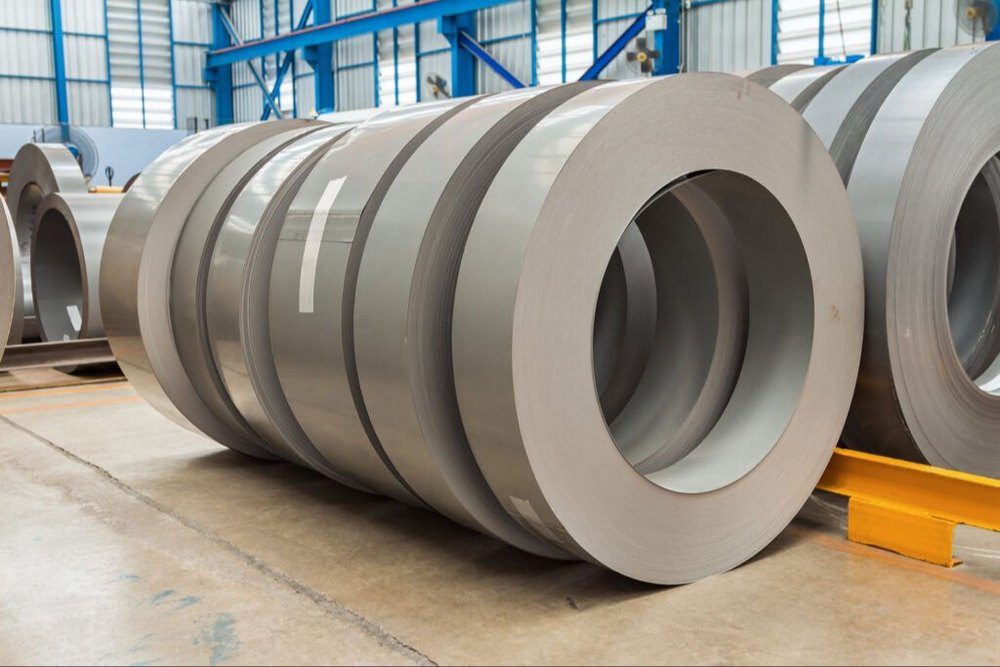
steel is produced through a precise manufacturing process that involves several key steps:
Hot Rolling: The initial steel slab is hot-rolled to a desired thickness.
Cold Rolling: The steel is then cold-rolled to achieve the desired thickness and refine the grain structure.
Heat Treatment: This step enhances magnetic properties by aligning the grains in the rolling direction.
Insulation Coating: A thin layer of insulation is applied to prevent eddy currents and ensure smooth performance.
High-Temperature Treatment: This final treatment develops optimal magnetic properties.
CRGO steel is crucial in the steel industry due to its high magnetic permeability and low core loss, making it ideal for transformer cores. Its grain-oriented structure aligns magnetic domains, reducing hysteresis and eddy current losses, which enhances transformer efficiency. CRGO steel’s application spans various industries, including power transformers, electric motors, and energy-efficient appliances, where its superior magnetic properties are vital for energy efficiency and performance.
steel is produced through a series of steps including hot rolling, cold rolling, and annealing. The production process is crucial for developing the Goss texture, which is responsible for the grain-oriented structure of CRGO. CRNGO, on the other hand, does not undergo this texture development process, resulting in its non-oriented nature.
CRNGO is predominantly used in the manufacturing of stators and rotors for electric motors, especially in automotive applications like electric vehicles, generators, and small transformers where the magnetic field is not unidirectional. Its isotropic nature ensures consistent performance regardless of the magnetic field direction.
The global market for CRNGO is significant and growing, driven largely by the expansion of the renewable energy sector and the electric vehicle (EV) industry. CRNGO demand is particularly boosted by the rapid growth in EV production, as it is a key component in efficient traction motors.
CRNGO’s production process, applications, and importance are essential for understanding its role in the electrical and electromechanical applications of the future.
“To deliver trusted, sustainable steel solutions through a transparent global supply chain, building integrity-driven partnerships, operational excellence, and long-term value worldwide.”
© 2026 Indicoat Steel Company. All Rights Reserved. | Designed & Developed by ITMS Global