Wire rods coils play a crucial role in the steel industry, serving as raw materials for various applications. They are essential for manufacturing a wide range of products, including nails, bolts, mesh, chains, reinforcement wires, springs, and cutting tools. The quality and specifications of wire rods coils are critical for ensuring the durability and performance of the final products. Manufacturers in India offer a variety of wire rods coils, including carbon steel, alloy steel, stainless steel, and high carbon types, catering to different industry needs.
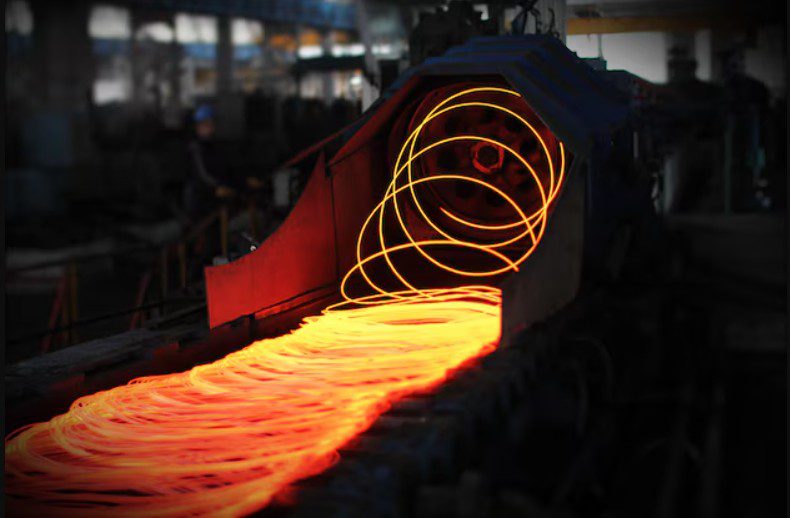
Wire rods coils play a crucial role in the steel industry, serving as raw materials for various applications. They are essential for manufacturing a wide range of products, including nails, bolts, mesh, chains, reinforcement wires, springs, and cutting tools. The quality and specifications of wire rods coils are critical for ensuring the durability and performance of the final products. Manufacturers in India offer a variety of wire rods coils, including carbon steel, alloy steel, stainless steel, and high carbon types, catering to different industry needs.
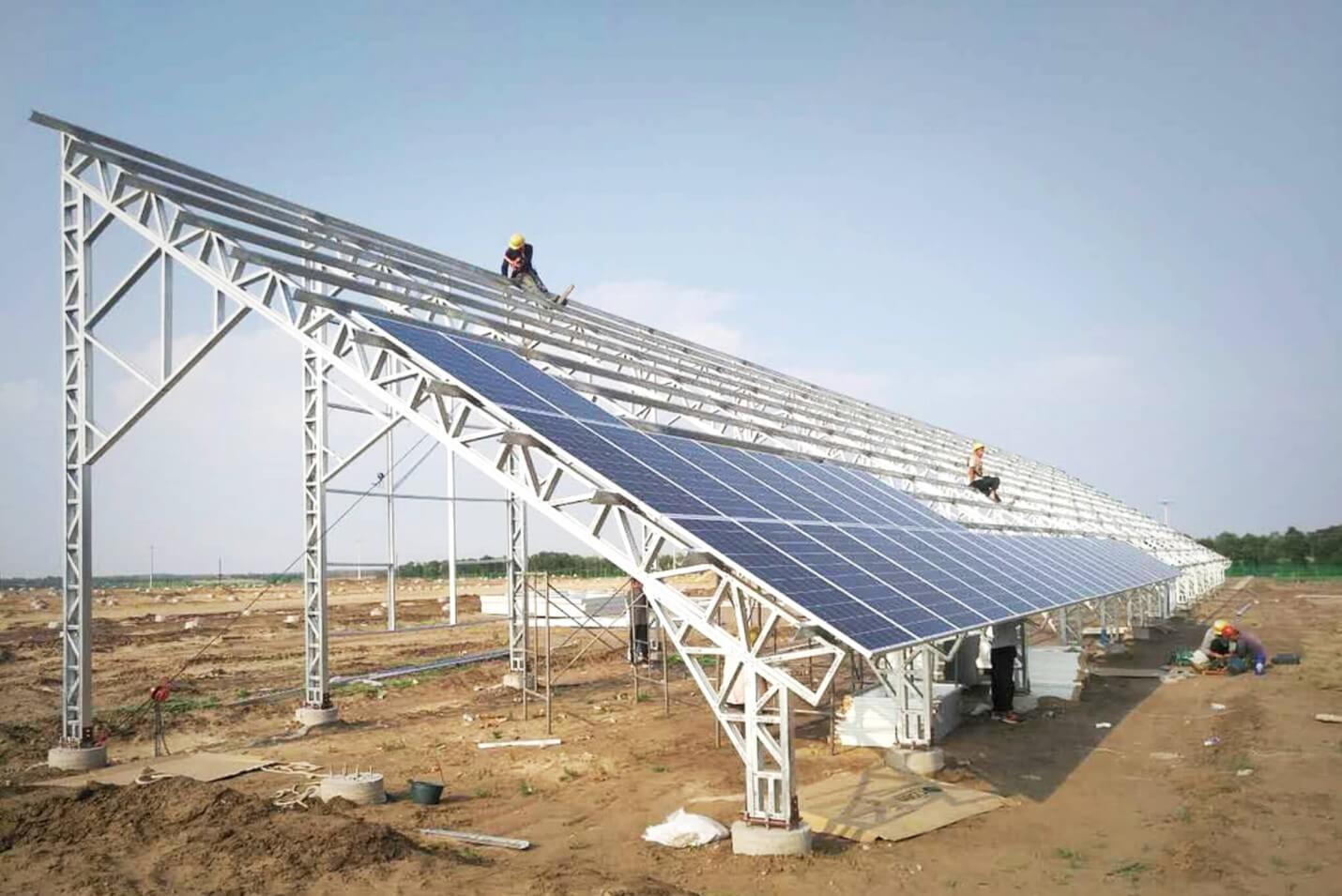
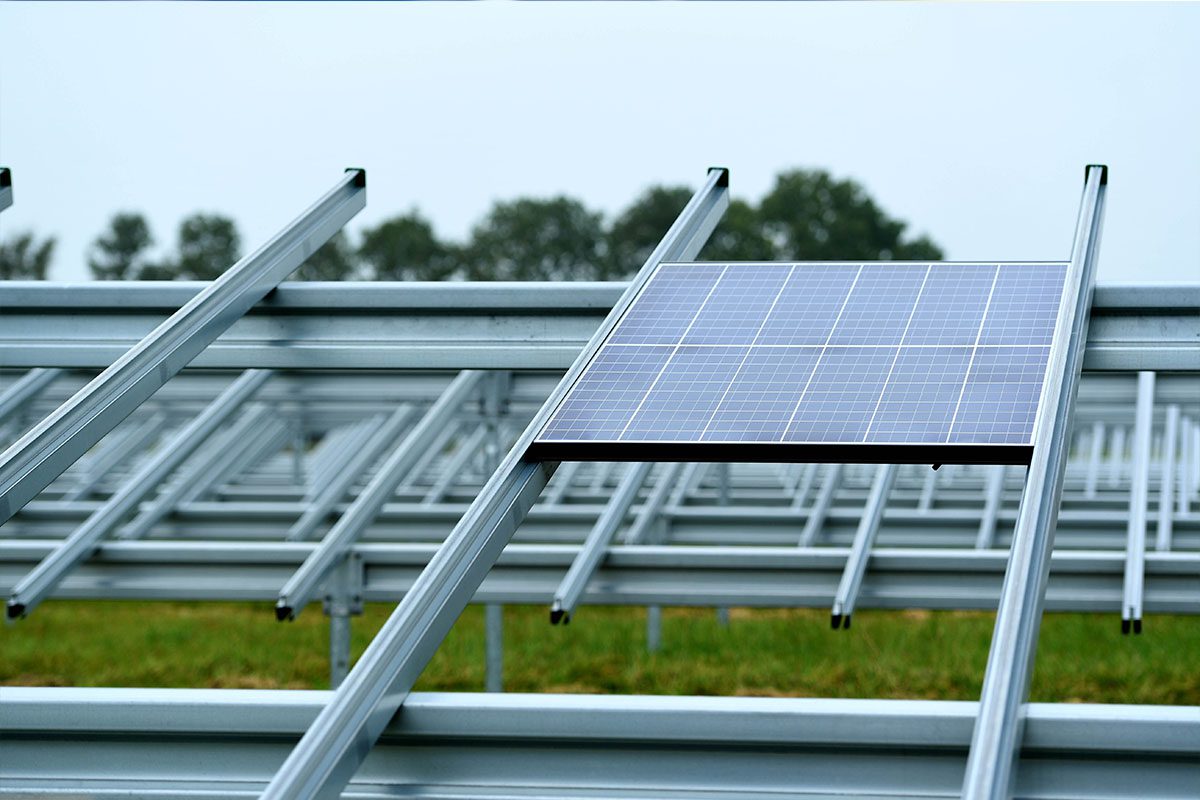
Solar mounting structures are essential for supporting solar panels, ensuring optimal energy absorption, and enhancing the durability of solar installations.
Types of Solar Mounting Structures
Rooftop Mounts: These are installed on the roofs of buildings and are ideal for residential and commercial applications. They can be fixed or adjustable and are designed to minimize the distance between solar panels and inverters, reducing wiring losses. However, they require proper sealing to prevent roof leaks.
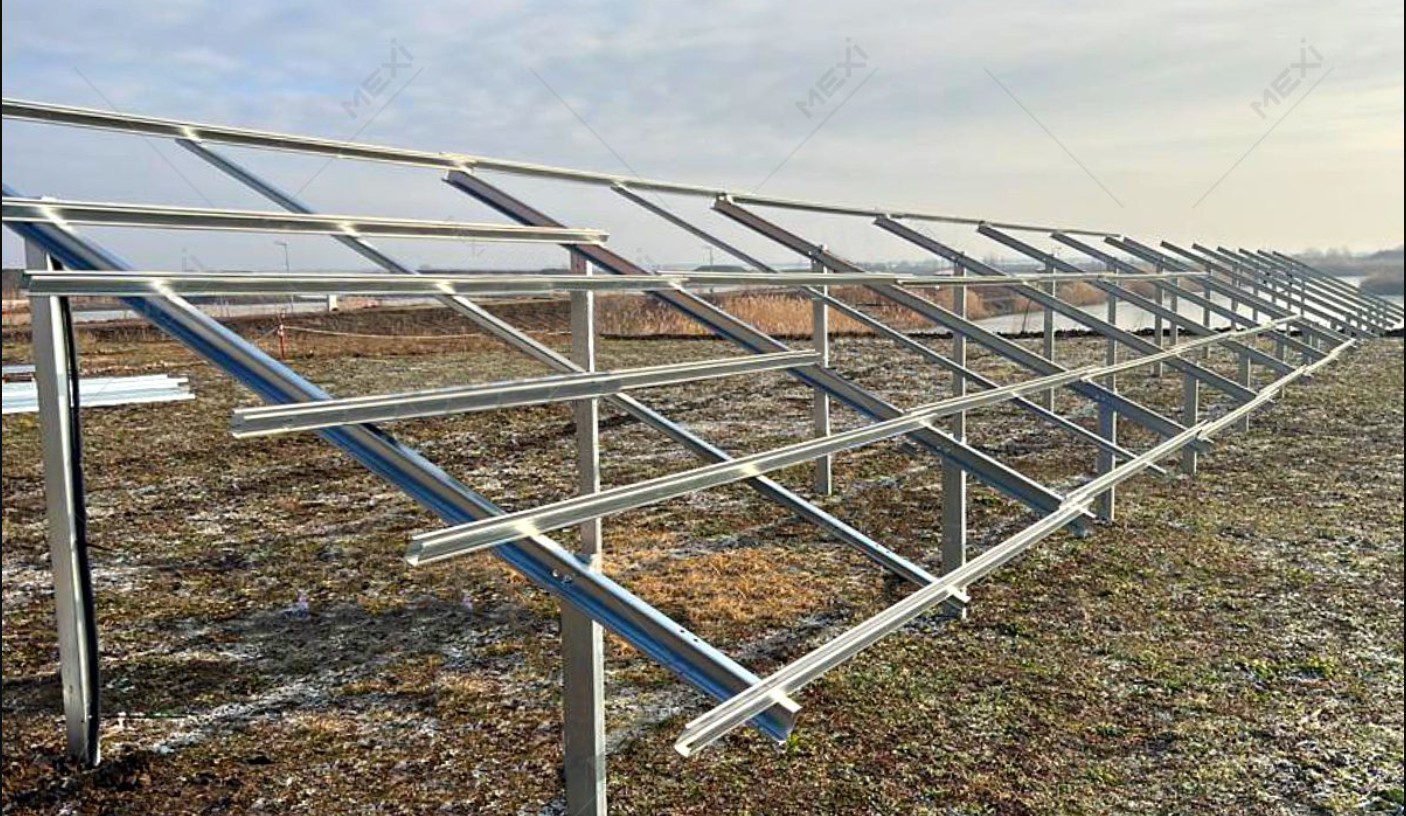
Ground Mounts: Ground-mounted structures are used when rooftop space is limited or unsuitable. They offer flexibility in orientation and tilt, allowing for maximum energy generation. These systems are commonly found in solar farms and rural areas, providing easier maintenance access.
Solar Carports:
These structures serve a dual purpose by providing shade for vehicles while supporting solar panels. They are particularly useful in urban areas where space is limited.
Tracking Systems:
These advanced structures adjust the angle of the solar panels throughout the day to follow the sun’s movement, maximizing energy capture. They can be more expensive but significantly increase energy production
Pole Mounts:
These structures serve a dual purpose by providing shade for vehicles while supporting solar panels. They are particularly useful in urban areas where space is limited.
Material:
Common materials for solar mounting structures include aluminium and galvanized steel, which offer durability and corrosion resistance. The choice of material affects the structure’s longevity and performance.
Weather Resistance:
Mounting structures must be designed to withstand local weather conditions, including wind, snow, and rain. Proper engineering ensures stability and safety.
Installation:
The installation process requires careful planning to ensure that the structures are securely anchored and positioned for optimal solar exposure. Professional installation is often recommended to meet safety and performance standards
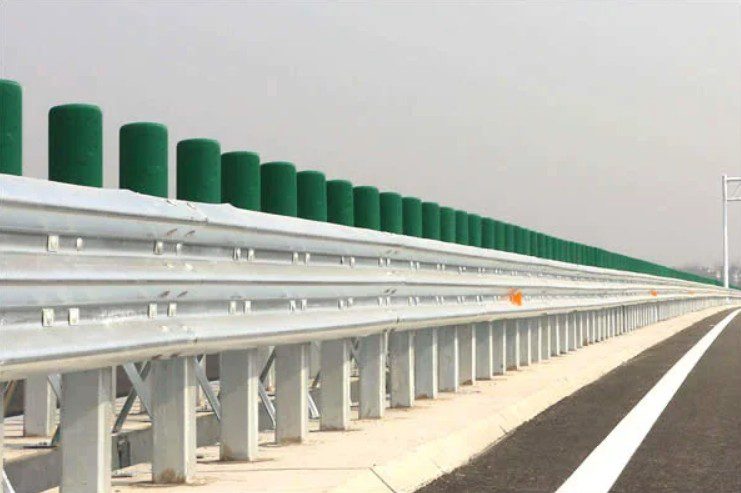
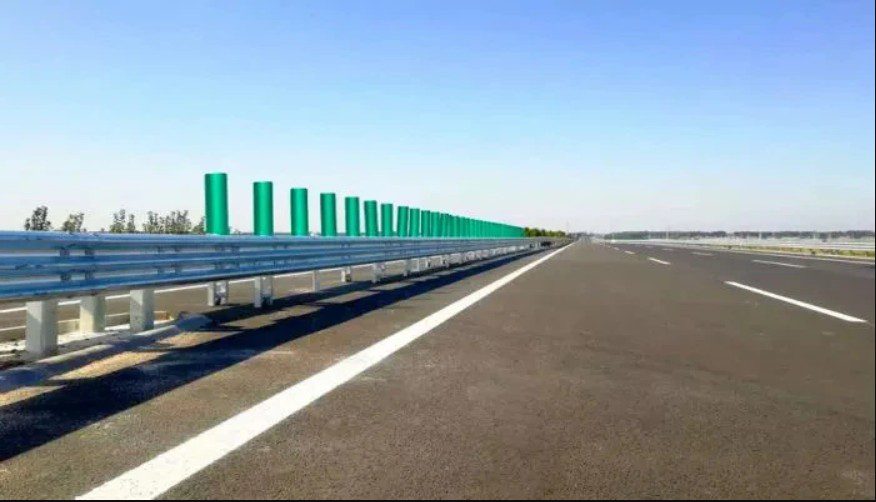
Highway guardrails are essential safety features designed to prevent vehicles from leaving the roadway, reducing the severity of accidents and protecting both drivers and pedestrians.
Highway guardrails serve several critical functions:
Crash Mitigation:
They absorb and redirect the energy of a vehicle that may veer off the road, minimizing the impact and potential injuries.
Roadside Protection:
Guardrails protect against hazards such as steep embankments, ditches, and other obstacles near the roadway.
Traffic Control:
They help guide vehicles back onto the road, maintaining traffic flow and safety.
W-Beam Guardrails:
The most common type, made from galvanized steel, providing a strong barrier against impacts.
Three-Beam Guardrails:
These offer additional strength and are often used in high-speed areas or where higher containment is needed.
Cable Guardrails:
Composed of multiple cables strung between posts, these are flexible and can absorb impacts effectively.
Concrete Barriers:
Used in areas requiring a more rigid barrier, such as medians or construction zones.
Materials :
Most guardrails are made from galvanized steel to resist corrosion. They come in various gauges, with 12-gauge being standard for many applications
Installation:
Guardrails are typically installed in sections, with posts spaced at regular intervals (usually 6 to 12 feet apart). End treatments, such as flared or curly ends, are used to enhance safety and reduce the risk of vehicle snagging.
Standards:
Guardrails must meet federal and state Department of Transportation (DOT) specifications to ensure they provide adequate protection.
“To deliver trusted, sustainable steel solutions through a transparent global supply chain, building integrity-driven partnerships, operational excellence, and long-term value worldwide.”
© 2026 Indicoat Steel Company. All Rights Reserved. | Designed & Developed by ITMS Global